Screen Time Boundaries That Actually Work
Learn practical methods for setting realistic limits on daily screen usage while maintaining productivity and social connection. Discover evidence-based strategies that work with your lifestyle, not against it.

In our connected world, screen time has become a fundamental part of daily life. Yet many people struggle to find balance between staying connected and maintaining wellbeing. The challenge isn’t about eliminating screens entirely—it’s about establishing boundaries that allow you to use technology intentionally rather than reactively.
The Reality of Modern Screen Usage
Research shows that the average person spends 6-8 hours daily on screens. Without conscious boundaries, this time often fragments attention, disrupts sleep, and reduces time for meaningful activities. The key is understanding that boundaries aren’t restrictions—they’re frameworks that enable better choices.
This guide explores practical, evidence-informed approaches to setting screen time boundaries that fit your actual life, not an idealized version of it.
Understanding Your Current Patterns
Before setting boundaries, understanding your existing patterns is essential. Most people underestimate their screen time by 40-50%. A week of honest tracking reveals when, why, and how you use devices.
- Track all screen usage for one week without judgment
- Note the time of day and your emotional state when using screens
- Identify patterns: Is it stress-driven, habit-driven, or work-driven?
- Notice which activities genuinely serve you versus those you do automatically
This awareness becomes your foundation for meaningful change. You’re not imposing arbitrary limits—you’re making informed decisions based on actual data about your behavior.

Setting Realistic Boundaries
Effective boundaries are specific, measurable, and designed around your actual needs. Rather than vague goals like “use screens less,” define concrete limits aligned with your priorities.
“The best boundary is one you’ll actually keep. It should challenge you, but not feel punishing.”
— Digital Wellness ResearcherConsider these approaches: Designate device-free times (meals, first hour after waking), create physical boundaries (phones out of bedrooms), limit specific apps during certain hours, or establish zones where screens aren’t used (dining table, bathroom). The framework matters less than consistency. Start with one boundary and strengthen it before adding others.
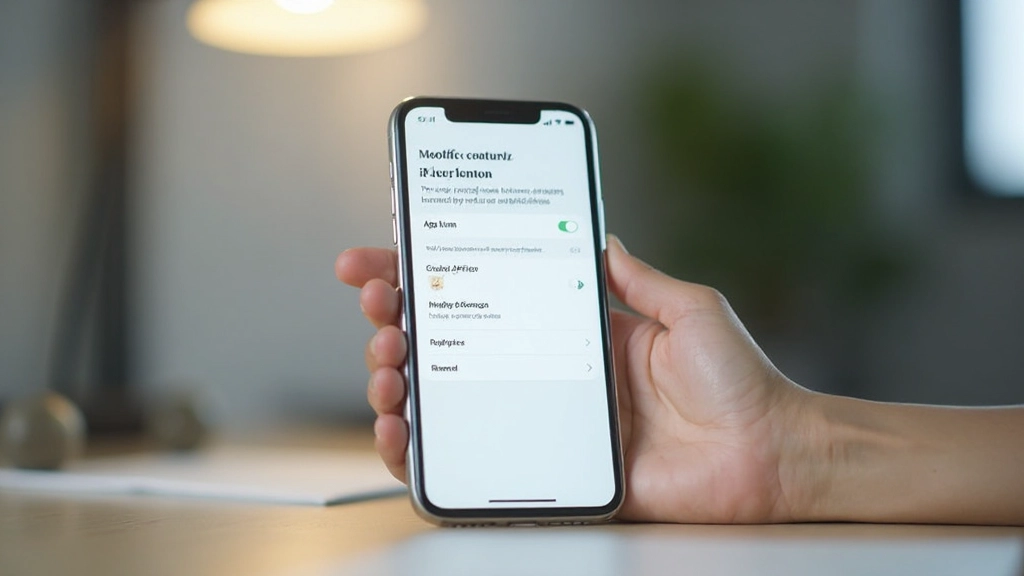
Built-in tools on most devices help enforce these limits. App timers, notification scheduling, and grayscale modes reduce compulsive checking. These aren’t substitutes for intentional behavior, but they provide structural support when motivation wanes.
Key Benefits of Screen Boundaries
When implemented thoughtfully, screen time boundaries create measurable improvements across multiple dimensions of wellbeing.
Better Sleep Quality
Reducing screen time 1-2 hours before bed improves sleep onset and depth. Blue light exposure decreases melatonin production, but evening boundaries help restore natural rhythms.
Improved Concentration
Uninterrupted focus periods increase productivity and reduce decision fatigue. With fewer notifications competing for attention, deep work becomes possible again.
Deeper Relationships
Device-free time with family and friends strengthens connections. Presence becomes a rare commodity, making these moments more meaningful and memorable.
Reduced Anxiety
Constant notifications create low-level stress. Boundaries reduce this stimulation overload, lowering cortisol levels and promoting calm throughout the day.
More Free Time
Reclaimed hours can be invested in hobbies, exercise, reading, or rest. Many people rediscover activities they’d abandoned during high-screen periods.
Enhanced Self-Awareness
With less passive consumption, people report clearer thinking and better understanding of their values, preferences, and what actually matters to them.
Practical Strategies for Implementation
Transform boundaries from theory into daily practice with these actionable strategies.
Create a Device Curfew
Set a specific time when all non-essential devices go away for the evening. Start with 30 minutes before bed and adjust based on sleep improvements.
Disable Notifications
Turn off non-essential notifications. Keep only those from contacts and apps essential to your work. This reduces the impulse to check your phone constantly.
Phone-Free Meals
Designate all meals as device-free time. This simple boundary improves digestion, enhances conversation, and makes meals feel intentional rather than rushed.
Single-Tasking Focus
During work or important activities, use app limiters or grayscale mode to prevent context switching. This strengthens focus and improves output quality.
Physical Barriers
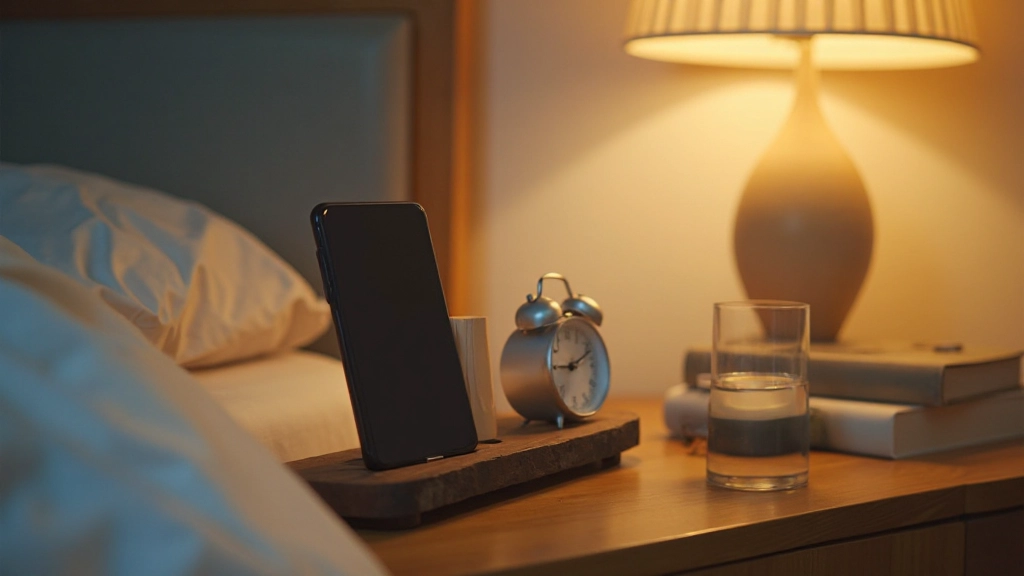
Keep devices out of your bedroom entirely, or in another room during work sessions. Physical distance reduces automatic reaching for phones.
Weekly Check-Ins
Review your screen time weekly and adjust boundaries as needed. What works one month may need refinement as circumstances change.
Start Your Boundary Journey Today
Setting screen time boundaries is an act of self-care. Begin with one small change this week, observe the effects, and build from there. The goal isn’t perfection—it’s progress toward a healthier relationship with technology.
Explore More ResourcesEducational Information
This content is provided for educational purposes to help you understand approaches to managing screen time. Individual circumstances vary widely—what works for one person may need adjustment for another. These strategies are based on commonly recommended practices but aren’t personalized medical advice. If you experience persistent sleep issues, anxiety, or other health concerns, consulting with a healthcare provider is recommended.