Sleep Better: Managing Evening Device Usage
Discover how blue light exposure and notifications affect sleep quality, plus science-backed strategies for better rest.
Evening screen time disrupts your natural sleep cycle in ways you might not realize. Learn practical techniques to reclaim your nights and wake refreshed.
Why Your Evening Routine Matters
Your body’s internal clock, or circadian rhythm, is finely tuned to light exposure throughout the day. When you use devices late in the evening, you’re essentially telling your brain it’s still daytime—even though the sun has set hours ago. This confusion can make falling asleep difficult and compromise sleep quality when you finally do rest.
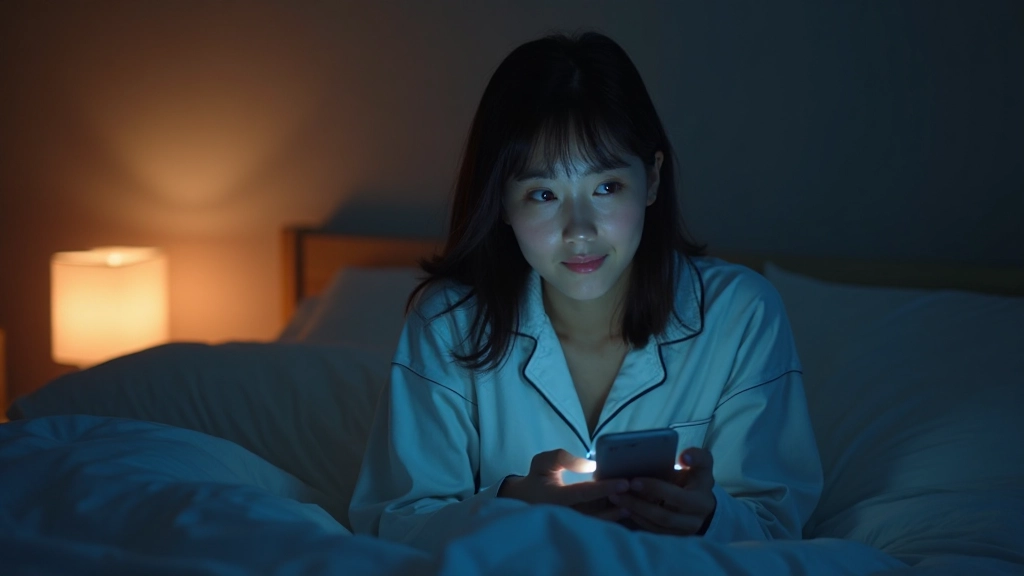
The blue light emitted by phones, tablets, and computers suppresses melatonin production, the hormone responsible for regulating sleep. Additionally, the constant stream of notifications and engaging content keeps your mind in an active, stimulated state when it should be winding down.
Understanding Blue Light and Sleep
The science behind why screens affect your rest
Blue light has shorter wavelengths and higher energy than other visible light. This type of light is especially powerful at signaling to your brain that it’s time to be awake and alert. Research shows that exposure to blue light in the evening can delay melatonin release by up to 90 minutes.
Melatonin Suppression: Blue light directly inhibits melatonin production in the pineal gland, making it harder to feel sleepy.
Circadian Disruption: Your body’s 24-hour clock becomes misaligned, affecting not just sleep but also metabolism and mood.
Mental Stimulation: The content you consume keeps your mind engaged, preventing the mental calm necessary for sleep onset.
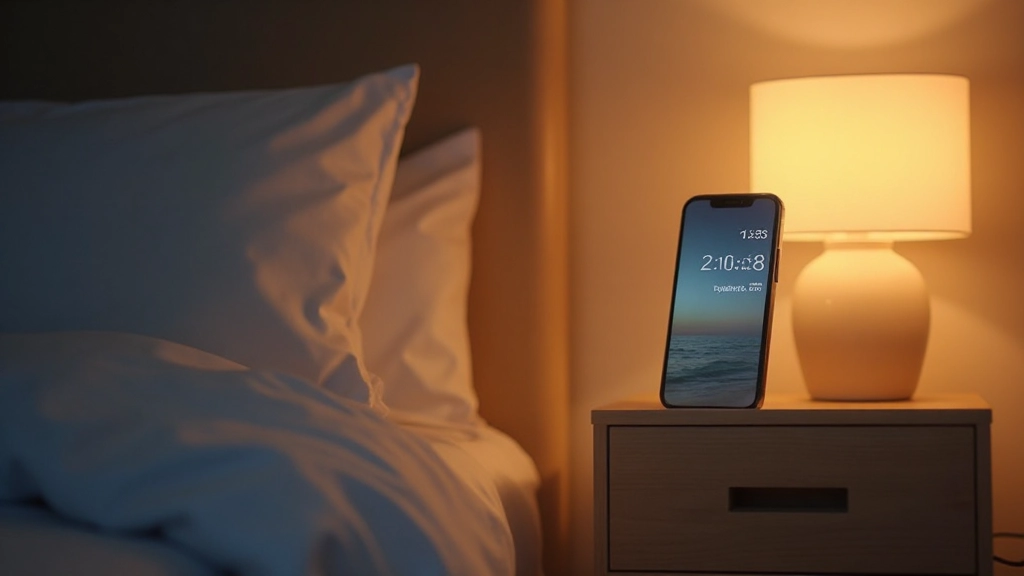
Practical Strategies for Better Sleep
Evidence-based techniques you can implement tonight
Establish a Device Curfew
Set a specific time—ideally 60 to 90 minutes before bed—when you stop using all screens. This gives your brain sufficient time to produce melatonin naturally. Replace screen time with relaxing activities like reading, journaling, or light stretching.
Use Blue Light Filters
If you must use devices in the evening, activate blue light filters or “night mode” settings. These reduce the amount of blue light emitted, making screens easier on your eyes and less disruptive to melatonin production. Many devices have built-in options that automatically adjust based on time of day.
Create a Physical Barrier
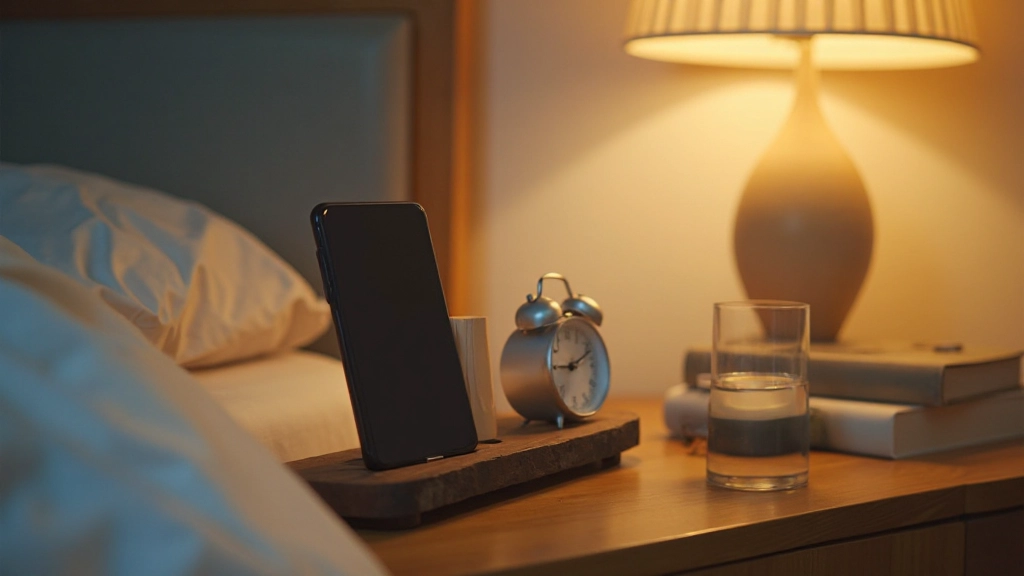
Keep phones and tablets out of the bedroom entirely, or at minimum outside your immediate reach. This removes temptation and prevents the unconscious habit of checking notifications. Consider charging devices in another room overnight.
Silence Notifications
Even if devices are in another room, notifications can create anxiety and mental engagement. Disable push notifications for non-essential apps at least one hour before bedtime. Your messages and emails will still be there in the morning.
Optimizing Your Evening Environment
Beyond managing device usage, your physical environment plays a crucial role in sleep quality. Dim the lights throughout your home as evening approaches, signaling to your body that bedtime is approaching. This natural light reduction supports your circadian rhythm.
Use warm-colored lighting (amber or orange tones) rather than cool white light after sunset
Maintain a cool bedroom temperature between 60-67F (15-19C) for optimal sleep
Avoid caffeine and heavy meals at least 3 hours before bedtime
Consider blackout curtains to eliminate ambient light from streets or neighboring properties
“Sleep is not a luxury—it’s a biological necessity. Protecting your evening routine from digital interruption is one of the most valuable investments in your health you can make.”
— Sleep Science Research
Making the Transition
Changing your evening device habits doesn’t happen overnight, and that’s perfectly normal. Start with one strategy—perhaps establishing a device curfew—and let it become routine before adding others. Most people notice improvements in sleep quality within 1-2 weeks of implementing these changes.
Remember that consistency matters more than perfection. Occasional evening screen use won’t derail your sleep long-term, but establishing a pattern of healthy boundaries will. Your future self—well-rested and energized—will thank you for starting today.
Key Takeaway
Your evening device habits directly impact your sleep quality and overall wellbeing. By implementing even one or two of these strategies, you can significantly improve how you rest and recover each night.
Informational Notice
This article provides educational information about device usage and sleep habits. It is not medical advice. Sleep difficulties can stem from various causes—medical, psychological, or environmental. If you experience persistent sleep problems despite implementing these strategies, consult a healthcare provider or sleep specialist for proper evaluation and guidance tailored to your individual circumstances.